

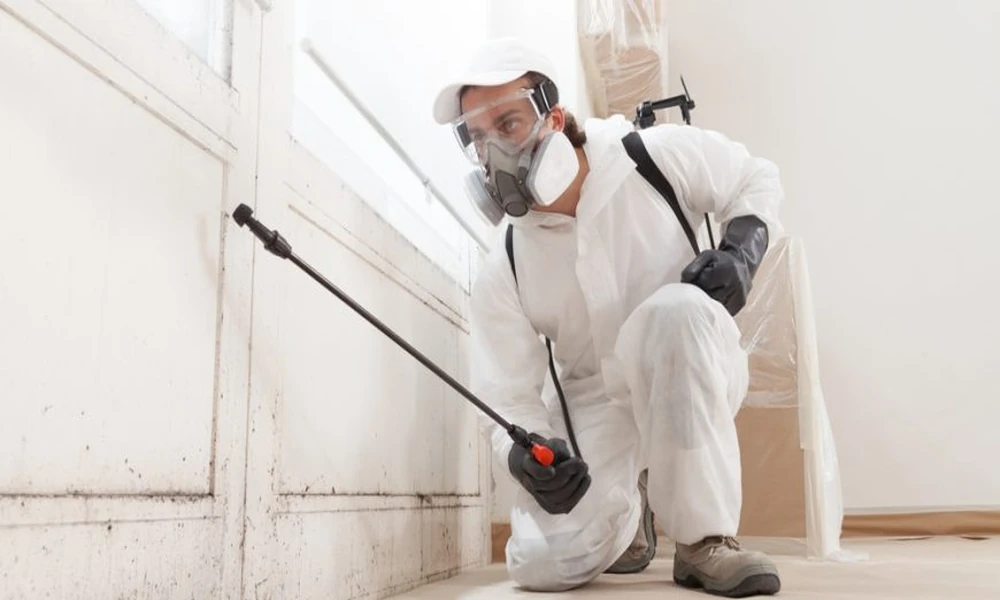
Most people picture mold removal as someone in a mask scrubbing a wall with a spray bottle. The real thing looks more like a small construction site with its own weather system. There is plastic sheeting, ductwork snaking out a window, machines that run day and night, and a good deal of measuring before anything is cut. Knowing what each stage is for makes the disruption far easier to live with.
In a humid coastal city the stakes are a little higher, because mold almost never arrives on its own. It trails behind a slow drip, a damp crawl space or months of muggy air settling on cool ductwork. That is why Virginia Beach mold remidiation done by a certified crew, such as the locally owned team Bobby Dexter built over nearly two decades in Hampton Roads, tends to follow the same deliberate rhythm. Here is that rhythm, day by day, from the homeowner’s side of the plastic.
The Night Before the Crew Arrives
The hours before a remediation visit matter more than most people realize, mostly because of what you should not do. A few simple moves protect both your health and the job.
- Leave the growth alone. Scrubbing or spraying it releases spores and can make the affected area harder to define.
- If the mold sits near a return vent, switch the HVAC fan from “on” to “auto” or off so it isn’t circulating air from that room all night.
- Take clear photos of the damage and anything stored nearby, which helps later with insurance.
- Move valuables, electronics and paperwork out of the likely work zone and clear a path from the door.
- Make a plan for pets, since they will not be welcome near containment.
That last point tends to get forgotten until the crew is already unloading.
Day One Is Mostly Detective Work
The first visit can feel slow. A technician presses a moisture meter along baseboards and drywall, sweeps a thermal camera across ceilings, and asks when the smell started, whether anything ever leaked, and how old the HVAC system is. None of this is stalling. The crew is mapping two things at once, how far growth has actually spread and what water is still feeding it. A fist-sized spot on the surface can sit in front of a much larger patch inside the wall cavity.
If someone in the household has asthma or a health concern, or the house is under contract to sell, this is the moment to bring in an independent assessor for sampling. Otherwise visible growth usually speaks for itself.
Containment goes up once the map is clear. The ducts serving the area are shut down and nearby vents taped over so the system cannot spread spores into other rooms. Plastic walls rise from floor to ceiling, often with a zippered entry flap, and a HEPA filtered air machine is set inside to exhaust more air than leaks in. That slight negative pressure is the clever part. If the plastic has a gap anywhere, clean air gets pulled into the work zone rather than dirty air drifting out toward the kitchen.
Day Two Brings the Tear Out
Removal is where experience shows. Materials get sorted by how deeply mold can work into them.
Glass, metal, tile and sealed concrete are cleaned and kept. Framing usually sits in the middle ground, where growth on studs or joists can be sanded, wire brushed or blasted off, vacuumed with HEPA equipment and wiped down. The wood stays in place and the structure stays sound.
Porous materials rarely make the cut. Drywall, carpet pad, ceiling tiles and fiberglass batts absorb growth into their fibers where no cleaner can follow, so they come out in bagged sections. Crews typically cut a foot or two past the visible edge because mold almost always runs further than the stain suggests.
Bleach deserves a mention here because so many homeowners reach for it first. It can whiten a stain on a hard surface, yet on wood and drywall its water content soaks inward while the active chemistry stays near the top. Physical removal paired with filtration simply does the job better.
Belongings are judged the same way. Hard furniture often cleans up well. Upholstered pieces, cardboard boxes and books that sat against wet walls are harder calls, and a careful crew talks you through each one instead of quietly loading the truck.
Day Three and the Long Hum
After the tear out, the machines keep running. Air scrubbers continue pulling fine dust and spores from the enclosed space, and dehumidifiers drag moisture out of exposed framing until readings drop to normal. On a damp coastal week that can take a while.
Families often wonder whether to stay home through all this. With a small, tightly contained area and healthy adults, many do. Babies, older relatives, people with respiratory conditions and pets are better off staying with friends until the plastic comes down.
The Check That Decides When the Plastic Comes Down
Nothing should be rebuilt until the work is verified. The IICRC S520 Standard for Professional Mold Remediation, the reference most certified firms work from, gives post remediation verification its own section for good reason. At the very least the space should look clean, smell neutral and show dry readings. Plenty of homeowners go one step further and hire a third party for clearance testing, so the person grading the work had no hand in doing it.
Only then does the containment come down, the HVAC go back on and new drywall goes up. Hanging a fresh board over framing that is still damp just resets the clock.
After the Crew Leaves
The cleanup removes what grew. The rest depends on the moisture that invited it in. Ask the crew to name the source in plain words before they pack up, whether it was a supply line, a roof flashing gap, a sweating duct or a crawl space breathing summer air. Then fix that source properly, even if it means calling a plumber or roofer separately.
Day to day, humidity is the lever you control. Holding indoor levels below about 50 percent through a Tidewater summer, running bath fans long enough to clear the mirror and keeping downspouts carrying water well away from the foundation do more to prevent a second round than any spray ever will. When mold does come back after professional work, it is nearly always pointing at the same water that started it the first time.