

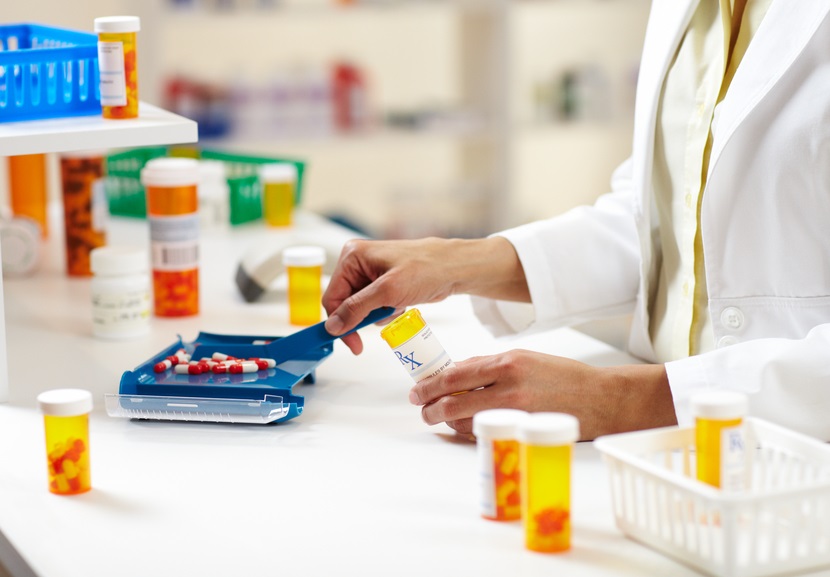
It takes eight years of college and two industry examinations to become a licensed pharmacist. Students with a desire to be a pharmacist must complete four years of undergraduate education as a pre-requisite to attend another four years of post-graduate training to earn a Doctor of Pharmacy (Pharm D).
All students get involved in internships. Working with community and hospital pharmacies, they gain hands-on experience from other licensed pharmacists.
A license is required to practice pharmacy. The Pharm. D. qualifies a student to take and must pass the North American Pharmacy Licensing Examination (NAPLEX) and the Multi-State Pharmacy Jurisprudence Exam (MJPE).
This final scoring process could take weeks or months to complete. During this waiting period, most soon-to-be-licensed pharmacist work as interns.
Daily Roles of a Pharmacist
On any given day, a pharmacy is filling a doctor’s prescription to treat a patient’s ailment. Pharmacists play an essential role in the patient’s health prevention by informing doctors, dentists, and other health practitioners on changing drug selections, dosages, and interactions.
Do you know why it’s important to follow the instructions on the labels? Are you aware of the health benefits and the potential side effects when combining some medicine with food, or supplements? Pharmacists can answer your questions about prescription medications and non-prescription (over-the-counter) remedies.
Pharmacists can also help patients choose between a brand name or generic drug to save costs, unless the prescribing practitioner notes do not substitute. Daily routines include monitoring patient records to make sure new medications do not conflict with an existing prescription drug.
At a pharmacy, principles of treating medical conditions using drugs (pharmacotherapy) are practiced daily to ensure good health. Always talk with your doctor or ask the pharmacist to check with the doctor before making any prescription changes.