

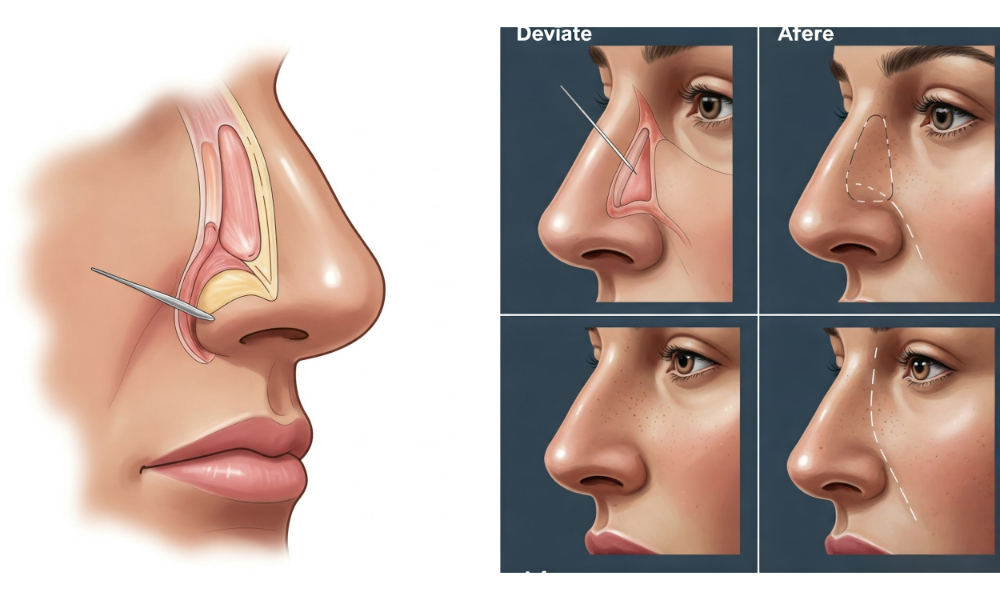
A deviated septum occurs when the thin wall dividing the nasal passages is shifted to one side, which can be present from birth or develop after injury or trauma. Many people may not realize they have a deviated septum because it doesn’t always cause symptoms, but when the deviation is severe, it can lead to issues like nasal congestion, frequent nosebleeds, facial pain, headaches, and noisy breathing during sleep. These symptoms can worsen with colds or allergies and may cause repeated sinus infections due to impaired sinus drainage. Common causes include injuries from contact sports, accidents, or uneven growth during puberty. Diagnosis typically involves a physical exam using a nasal speculum and sometimes imaging like X-rays or CT scans. If you suspect a deviated septum, consulting an ear, nose, and throat specialist is important to confirm the diagnosis and explore treatment options.
The Connection Between Snoring And Deviated Septum
Snoring occurs when airflow is partially blocked during sleep, and a deviated septum often contributes by narrowing the nasal passages. This restriction causes throat tissues to vibrate, producing snoring sounds that worsen when lying down. Besides being disruptive, snoring harms sleep quality, leading to tiredness and reduced focus. Simple fixes like nasal strips may only provide temporary relief since they don’t address the septal blockage. Severe snoring might signal obstructive sleep apnea, a serious condition affecting heart health. Treating a deviated septum surgically can improve airflow, reduce snoring, and enhance sleep and overall well-being.
How A Deviated Septum Affects Breathing And Sleep Quality
Here’s a concise summary of your points: A deviated septum disrupts normal airflow, leading to mouth breathing, dry mouth, dental problems, and poor oxygen intake, causing fatigue and shortness of breath. It also harms sleep quality by causing frequent awakenings and preventing deep sleep, which weakens immunity, affects mood, and impairs cognition. This can worsen asthma and allergies. The body’s increased effort to breathe during sleep causes restless nights and a cycle of poor rest, impacting daily alertness and safety. Recognizing and treating a deviated septum can restore better breathing, sleep, and overall health.
Cosmetic Implications Of A Deviated Septum
You’ve captured the deep connection between the physical and psychological effects of a deviated septum beautifully. Here’s a concise summary that ties those points together:
Beyond breathing difficulties, a deviated septum can alter nasal appearance—causing asymmetry, crookedness, or a nasal hump—which often impacts an individual’s self-esteem and confidence. For many, these cosmetic concerns are as important as the functional problems, motivating them to pursue surgery that addresses both.
The psychological effects of perceived facial imperfections can influence social interactions, career prospects, and overall mental well-being. In an image-conscious world, improving nasal symmetry through septal correction can empower individuals, enhancing self-confidence and how they present themselves.
Although cosmetic changes from surgery tend to be subtle, their impact on self-esteem is often profound. Many patients feel more comfortable and satisfied with their appearance afterward, deciding to treat both functional and aesthetic aspects, a transformative, life-affirming choice.
Surgical Options For Correcting A Deviated Septum
When conservative treatments no longer relieve symptoms of a deviated septum, surgical correction through septoplasty is often recommended. This procedure involves repositioning the nasal septum by removing or reshaping the deviated bone and cartilage, which helps restore proper airflow and reduce issues such as nasal congestion, snoring, and sleep disturbances. Septoplasty is typically performed under local or general anesthesia and usually takes one to two hours, with most patients returning home the same day.
In some cases, turbinate reduction may also be performed to enhance breathing further. While the primary goal of septoplasty is functional improvement, many individuals also take the opportunity to address cosmetic concerns through rhinoplasty. When combined as septorhinoplasty, the procedure can offer both aesthetic and functional benefits. Achieving the best outcome often depends on working with a surgeon who is not only experienced in nasal surgery but also highly skilled in rhinoplasty techniques, ensuring both structure and appearance are carefully considered.
The Role Of Rhinoplasty In Septoplasty
Rhinoplasty, or a “nose job,” reshapes the nose for better appearance and, when combined with septoplasty, also improves breathing in one surgery. Septorhinoplasty corrects the septum and refines the nose’s shape—tip, bridge, or nostrils—for both function and facial balance. This combined approach boosts symmetry and confidence while reducing costs and recovery time by addressing health and cosmetic needs together.
Recovery Process After Septoplasty And Rhinoplasty
Recovery after septoplasty and rhinoplasty requires patience and careful care. Swelling, bruising, and discomfort are common but manageable with medication, cold compresses, and keeping the head elevated. Nasal congestion from swelling and internal splints usually improves after about a week when splints are removed. Patients should avoid nose blowing, strenuous activity, and irritants, and eat soft foods to aid healing. Most return to work within 1–2 weeks, though full healing and final nose shape can take months. Regular follow-ups help ensure the best functional and cosmetic results.
Alternative Treatments For Snoring And Deviated Septum
While surgery is often the most effective treatment for a deviated septum, some individuals may choose alternative methods to manage their symptoms. For mild cases of snoring or nasal blockage, lifestyle changes such as sleeping on one’s side, elevating the head of the bed, maintaining a healthy weight, and avoiding alcohol or sedatives before bedtime can help reduce symptoms. Non-surgical options like nasal strips, dilators, decongestants, and antihistamines may also improve airflow and ease congestion, though medications should be used cautiously to avoid rebound effects. For more severe issues like significant snoring or sleep apnea, CPAP therapy can keep airways open during sleep, though some find it uncomfortable. Ultimately, treatment decisions should be guided by a healthcare provider based on individual symptoms, preferences, and health status to ensure the best management approach.
Preparing For Surgery: What To Expect
Preparing for septoplasty and rhinoplasty starts with a thorough consultation where the surgeon assesses your nasal structure, discusses goals, and outlines the plan. This often includes imaging studies such as a CT scan to get a detailed view of the nasal anatomy and any underlying issues. Before surgery, medical tests and health reviews are done to identify risks. Patients should avoid blood thinners and quit smoking to reduce complications. On surgery day, arrive informed, arrange transportation since anesthesia impairs driving, and have recovery support. Following these steps and staying in close contact with your surgical team helps ensure a smooth procedure and better outcomes.
Conclusion: Weighing The Benefits Of Surgery For Health And Aesthetics
Deciding to undergo surgery for a deviated septum is an important choice that involves balancing the potential health benefits with aesthetic improvements. Many individuals are motivated by the promise of easier breathing, better sleep, and enhanced appearance, all of which can significantly improve quality of life. Combining septoplasty with rhinoplasty offers a holistic approach, addressing both functional and cosmetic concerns in one procedure. However, patients must have realistic expectations and understand the recovery process fully. Consulting with a qualified surgeon ensures personalized advice and helps patients weigh the risks and benefits carefully. Ultimately, choosing surgery is a personal decision shaped by individual needs and goals—whether it’s seeking symptom relief, improved sleep, or increased self-confidence, correcting a deviated septum can be a transformative step toward a healthier, more satisfying life.