

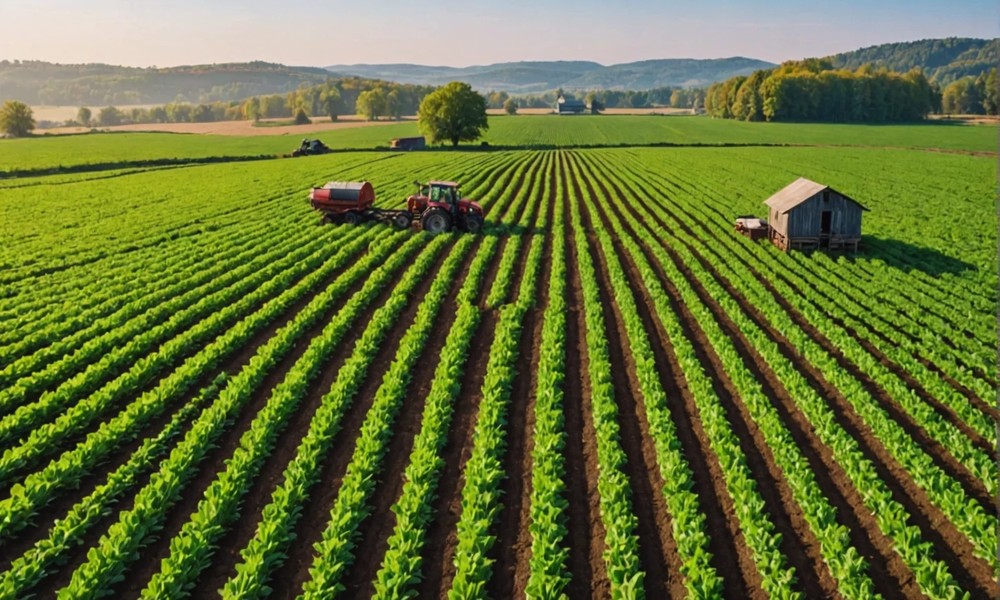
Running a successful farming business requires careful planning and smart use of resources. Many farmers struggle when they try to expand too quickly or invest beyond their capacity. Long-term success in farming comes from steady growth, proper management, and avoiding unnecessary risks, supported by strategies for long term farm success. By using resources wisely, farmers can build a stable and profitable business over time.
Plan Growth Step by Step
One of the most important strategies is to grow gradually. Expanding too fast can lead to financial stress and mismanagement. Farmers should increase their production only when they are sure they can handle the additional work and costs. A step-by-step approach allows better control over resources and reduces the chances of losses.
Use Resources Efficiently
Efficient use of available resources is key to sustainability. Farmers should make the best use of land, water, labour, and machinery. Avoiding waste and improving productivity can reduce costs and increase profits. Simple practices like proper irrigation, timely planting, and careful use of fertilisers can make a big difference.
Avoid Unnecessary Expenses
Spending wisely is essential for long-term success. Farmers should focus on buying only the equipment and materials that are truly needed. Instead of investing in expensive machinery, they can consider renting or sharing equipment. This helps save money and prevents financial pressure.
Diversify Income Sources
Relying on a single crop or income source can be risky. Diversification helps reduce risk and ensures a steady flow of income. Farmers can grow different crops, raise livestock, or even explore small side businesses related to farming. This strategy protects the business from unexpected losses.
Maintain Equipment Properly
Farm equipment is a major investment, so taking care of it is very important. Regular maintenance helps machines last longer and work efficiently. It also reduces the chances of sudden breakdowns, which can delay important farming activities and increase costs.
Build Financial Stability
Keeping track of income and expenses helps farmers make better decisions. Saving a portion of earnings for emergencies is also important. Financial stability allows farmers to handle difficult situations such as crop failure or market changes without overextending their resources.
Focus on Sustainable Practices
Using eco-friendly farming methods helps protect natural resources and reduces long-term costs. Practices like crop rotation, organic farming, and water conservation improve soil health and reduce dependency on expensive inputs. Sustainable methods support both the environment and business growth.
Conclusion
Achieving long-term success in farming does not require large investments or rapid expansion. Instead, it depends on careful planning, efficient resource use, and smart decision-making. By growing steadily, controlling expenses, diversifying income, and following sustainable practices, farmers can build a strong and stable business without overextending their resources.