
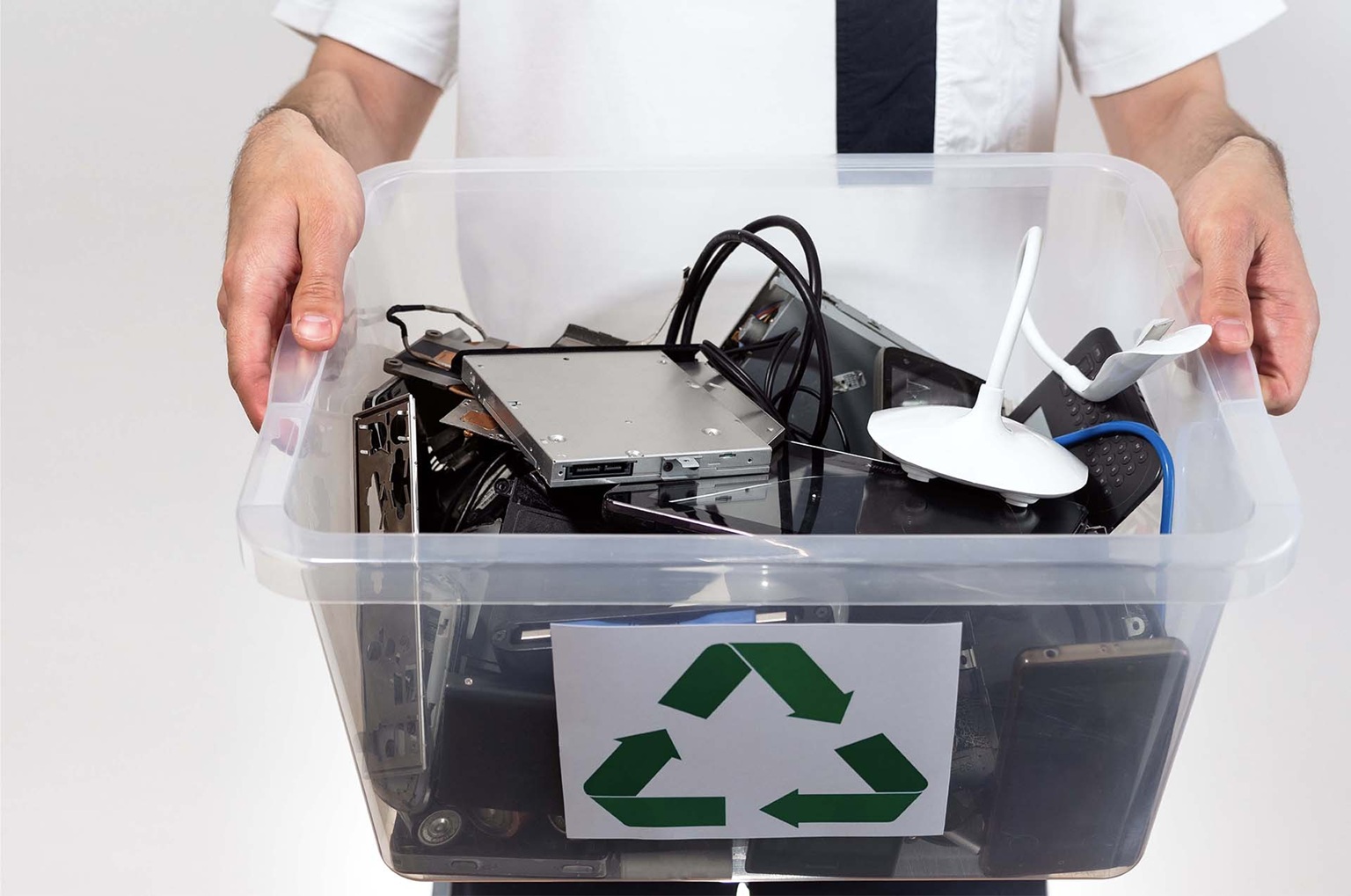
At a processing facility in Jurong, workers in blue coveralls break down desktop computers on stainless steel tables, and the importance of e-waste computer recycling becomes visible in the steady stream of devices arriving each hour from offices, schools, and homes across Singapore. The machines tell stories through their worn keyboards and scratched cases: a decade-old Dell from a law firm, HP laptops from a university computer lab, servers that once ran a logistics company’s operations. Each represents decisions made by someone, somewhere, about what technology to buy, how long to keep it, and where it goes when it no longer serves its purpose.
The Weight of Discarded Technology
Walk through any HDB estate in Singapore and you will find them: old computers stacked in storage rooms, gathering dust in corners, taking up space because residents do not know what to do with them. Speak to property managers and they describe the same problem: people moving out leave behind monitors, towers, printers. The items are too bulky for regular bins, too potentially valuable to throw away, too complicated to recycle properly.
Mr Tan, who manages a recycling collection point in Ang Mo Kio, sees approximately 200 computers pass through his facility each month. He has worked this job for eight years and watched the volume increase steadily. The equipment grows lighter and smaller, he notes, but the quantity never stops rising. Students upgrading for university, families replacing aging machines, businesses refreshing their technology every three years like clockwork.
The numbers confirm what he observes. Singapore discards roughly 60,000 tonnes of electronic waste annually. Computers and IT equipment constitute approximately 25,000 tonnes of that total. Without proper recycling infrastructure, this material flows toward landfills or informal recycling operations where environmental and health protections do not exist.
What Happens Without Proper Systems
In Agbogbloshie, a suburb of Accra, Ghana, workers as young as fifteen dismantle computers in open-air yards. They burn plastic casings to access copper wiring, inhaling toxic fumes. They heat circuit boards over flames to melt solder, releasing lead into the air. The soil tests positive for heavy metals at concentrations hundreds of times above safe levels. Children play near processing areas, their blood showing elevated lead levels that will affect cognitive development for life.
This is where significant quantities of the world’s discarded computers end up, shipped from wealthy nations as charitable donations or working equipment. Containers arrive labelled as functional computers for schools and offices. Upon opening, 70 to 80 per cent prove broken or obsolete. The remainder gets processed in conditions that would violate every environmental and labour law in the countries that exported them.
Singapore, to its credit, maintains stricter controls. Licensed facilities operate under regulatory oversight. Workers wear protective equipment. Hazardous materials receive proper handling. Yet the global context matters because electronic waste crosses borders easily, and the temptation to export problems rather than solve them persists everywhere.
The Materials We Waste
Inside that obsolete computer sitting in your storage room lies remarkable material wealth. Two kilogrammes of copper in wiring and heat sinks, worth several dollars. Aluminium casings that required enormous energy to produce from bauxite ore. Circuit boards containing gold, silver, palladium, and platinum in quantities that make them, gram for gram, richer than the ore deposits these metals originally came from.
A technician at a Jurong recycling facility, Ms Lim, explains the recovery process. She points to sorted materials: a bin of circuit boards awaiting shipment to a smelter that will extract precious metals, a pile of copper wiring heading to metal recyclers, sorted plastics destined for polymer processing. Each represents materials that will re-enter manufacturing supply chains rather than requiring virgin resource extraction.
The energy calculations prove compelling. Producing aluminium from recycled sources uses 95 per cent less energy than primary production. Copper recycling requires 85 per cent less energy than mining and refining ore. When applied across thousands of tonnes of equipment, these savings translate to meaningful reductions in energy consumption and greenhouse gas emissions.
Why It Matters Here
Singapore imports virtually every raw material it uses. No copper mines exist on this island, no aluminium deposits, no gold veins running through the bedrock. Everything arrives by ship or plane, making resource efficiency not merely environmental virtue but economic necessity. Recovering materials from discarded computers reduces import dependence whilst creating local employment in collection, processing, and logistics.
The environmental stakes prove equally significant. As a small, densely populated island, Singapore cannot afford contamination of limited land and water resources. Heavy metals leaching from landfilled computers threaten groundwater that may eventually reach reservoirs. Improper disposal creates persistent problems in a place where every square metre matters.
Making the Connection
Sustainability is often discussed in abstract terms: carbon footprints, circular economies, resource depletion. At the recycling facility in Jurong, it becomes concrete. Workers dismantle machines, sort materials, and prepare them for reuse. Each computer processed represents raw materials that will not need extraction from mines, energy that will not need consumption in primary production, and pollution that will not occur because proper handling prevents environmental release of hazardous substances.
The challenge facing Singapore and every technologically advanced society is converting the majority of electronic waste into recovered resources rather than allowing it to become actual waste. The infrastructure exists, the processes work, and participation grows easier as collection points multiply across the island. What remains is ensuring that every obsolete computer, every retired laptop, every replaced server finds its way into proper e-waste computer recycling channels where materials receive recovery rather than disposal, closing loops that sustainability requires and demonstrating that careful management of technological waste serves both environmental protection and economic sensibility.
