Wild-caught seafood often attracts shoppers who value quality, flavor, and responsible harvesting practices. For first-time buyers, the category can feel complex due to size labels, source details, and storage advice. A clear overview helps remove confusion and sets realistic expectations at the seafood counter or online store.
Wild-caught options differ from farm-raised varieties in meaningful ways that affect taste, price, and kitchen results. A thoughtful approach leads to better meals and greater confidence at the time of purchase. In this article, we’ll discuss how to buy wild caught jumbo shrimp with confidence while balancing quality, freshness, and budget. Early awareness of key factors makes the entire experience smoother and more enjoyable.
Wild-Caught vs Farm-Raised Basics
Wild-caught varieties come from oceans or coastal waters rather than controlled ponds. This origin shapes texture, flavor, and seasonal access. Farm-raised types often show uniform size and steady supply, while wild harvests reflect natural cycles.
Key distinctions include harvest method, diet, and environment. Natural diets in open water often lead to firmer flesh and deeper flavor notes. Farm systems offer predictability but may lack the same complexity. Neither option suits every need, yet wild-caught selections appeal to buyers who value traditional seafood character.
Taste, Texture, and Size Factors
Flavor remains a primary reason shoppers seek wild harvests. Natural habitats influence diet, which shapes taste and bite. Texture often feels firmer and less watery than pond-raised options.
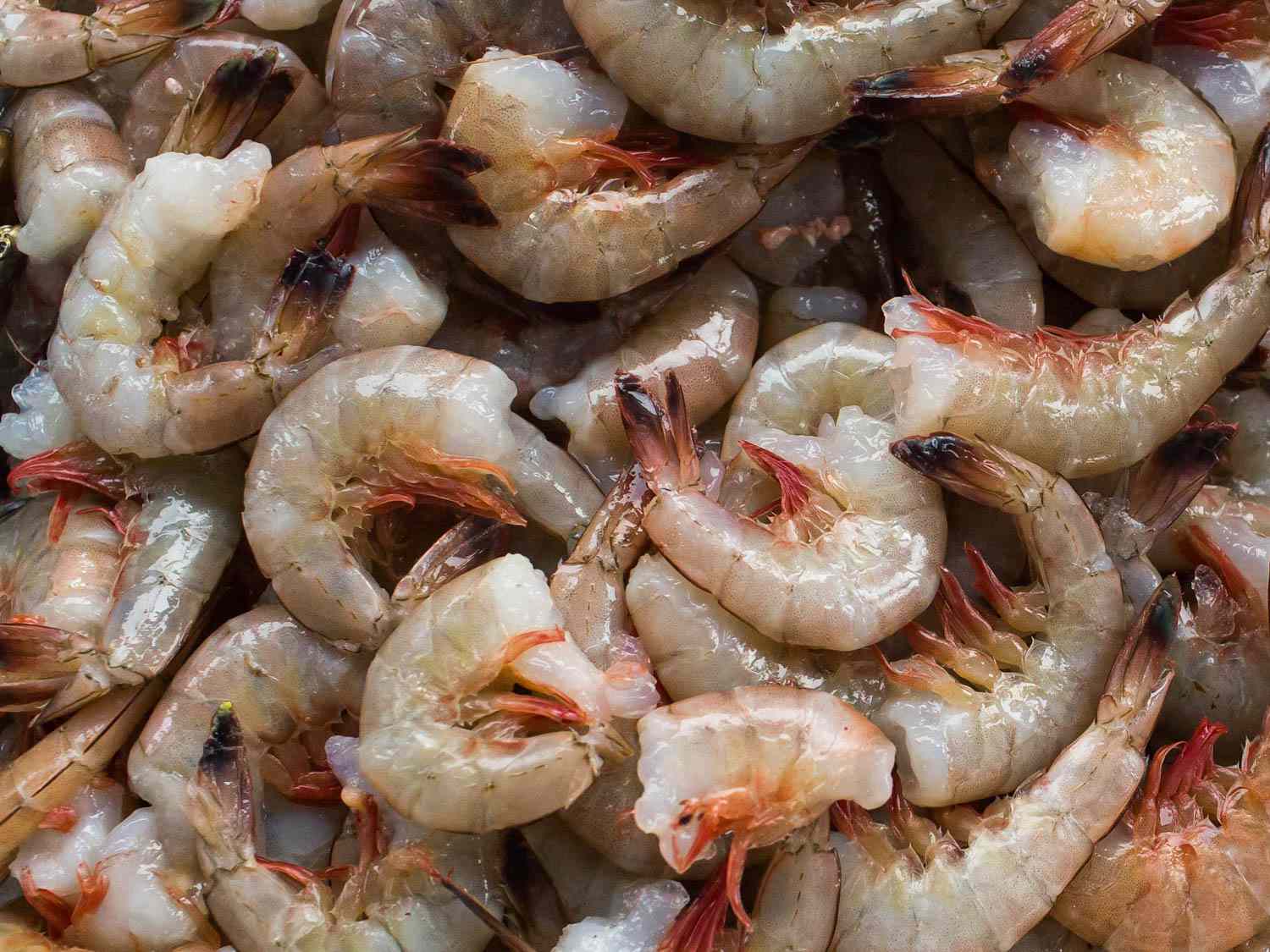
Size labels can confuse first-time buyers. Terms such as jumbo or extra-large refer to count per pound rather than length. Lower counts mean larger pieces. Visual appeal matters, but flavor and freshness deserve equal focus.
What Size Labels Mean
- Jumbo often means fewer pieces per pound
- Large sizes suit grilling or center-plate dishes
- Medium sizes fit pastas, tacos, or soups
Texture Expectations
- Firm bite with clean snap
- Less moisture loss during heat
- Richer flavor after simple seasoning
Safety, Freshness, and Care
Proper care protects quality from dock to kitchen. Wild-harvested products are frozen soon after catch to preserve taste and safety. Flash-freezing methods lock in freshness and reduce spoilage risk.
Thaw methods also matter. A slow thaw in the refrigerator helps retain texture. Avoid warm water or extended counter time. A clear aroma and a glossy appearance signal good quality, while a strong odor or a dull color suggests decline.
Labels, Sources, and Transparency
Labels provide vital clues about origin and harvest zone. Country-of-origin laws require disclosure in many markets. Additional details may list the catch area or vessel type. Transparent sellers share this data without hesitation.
Certifications can help guide choice, though absence does not imply poor quality. Some small fisheries follow sound practices without formal seals. Ask for harvest date, freeze method, and storage advice to gain clarity.
Kitchen Use and Meal Ideas
Wild-caught varieties suit many recipes due to their natural flavor strength. Simple preparation often works best. Light seasoning, a quick sear, or a gentle poach allows the natural taste to shine. Home cooks often prefer larger sizes for visual impact and ease of prep. Smaller sizes suit mixed dishes. A balanced approach avoids overcooking, which can toughen texture.
In the last stage of a purchase journey, shoppers often compare value and convenience. Those who plan to buy wild caught jumbo shrimp often consider frozen packs for steady quality and longer storage without waste. This option fits busy schedules and varied menus.
Wild-caught seafood offers a rewarding choice for first-time buyers who value flavor and natural origin. Clear knowledge of size labels, source details, and care methods builds confidence. Thoughtful selection leads to better meals and fewer surprises. A calm, informed approach helps any shopper enjoy the benefits of wild harvests with ease.