

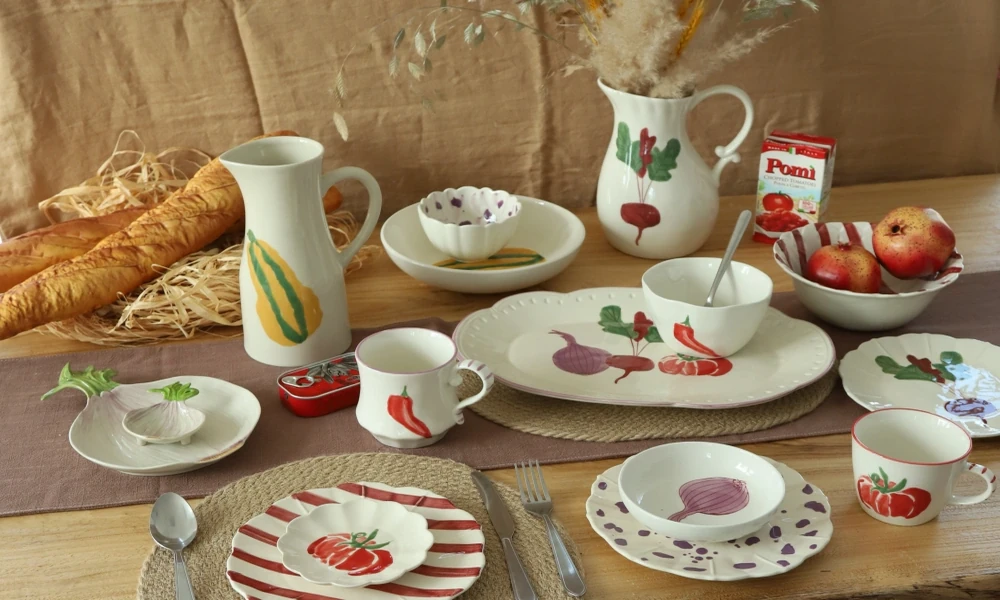
Ceramic suppliers in Canada face a business landscape as diverse as the country itself. From language nuances in Montreal to shifting expectations in Toronto and Vancouver, the ability to communicate effectively with clients can be the difference between repeat business and missed opportunities. For those operating in this sector, optimizing client communication isn’t just good practice – it’s a strategic advantage.
Understanding Client Communication Challenges for Ceramic Suppliers in Canada
Client relationships in the ceramic supply chain are often intricate, shaped by logistical hurdles, cultural differences, and the complexity of product specifications. While many suppliers excel in sourcing top-quality products, the real test lies in translating technical details and timelines into clear, actionable information for clients.
Common Communication Barriers in the Canadian Ceramic Market
Canadian suppliers contend with a multilingual client base. English and French are the primary languages, but large cities host buyers who speak Mandarin, Punjabi, Arabic, and more. Misunderstandings can arise from ambiguous emails, unclear quotations, or the use of unfamiliar terminology.
Impact of Miscommunication on Client Relationships and Sales
A single misinterpreted delivery date or product code can escalate into lost sales or damaged trust. Research within the construction and interiors sector reveals that over 30% of project delays can be traced back to communication lapses, highlighting the financial stakes involved for ceramic suppliers.
Case Study: Club Ceramic’s Approach to Client Communication
Some of the most effective lessons come from those who have navigated these challenges firsthand. Club Ceramic Montreal provides an instructive example of proactive client communication in a competitive marketplace.
Overview of Club Ceramic’s Client Base and Communication Channels
With its head office in Saint-Laurent, Club Ceramic serves a broad spectrum of clients across Quebec and Canada. Clients reach them by phone, email, and an online message form, ensuring accessibility for both urgent queries and detailed project discussions.
How Club Ceramic Handles Inquiries and Order Processing
Inquiries are managed through a blend of personal touches and efficient systems. Calls and emails are routed promptly to staff who can answer questions in English or French, while the online form streamlines complex inquiries for follow-up. Order processing is closely tied to clear, documented communications, reducing the risk of errors and misunderstandings.
Lessons Learned from Club Ceramic’s Communication Practices
The main takeaway? Flexibility and speed matter, but so does clarity. Club Ceramic’s consistent and accessible channels help set expectations early, reducing friction throughout the ordering and fulfillment process.
Strategies to Streamline Initial Client Contact
First impressions can shape the entire customer journey. Canadian ceramic suppliers benefit from a multichannel approach, ensuring clients can reach out in the way that suits them best.
– Phone: For urgent orders or clarifications.
– Email: For detailed specifications and formal documentation.
– Online Forms: For convenience and after-hours communication.
Crafting concise, jargon-free messages at this stage is key. Stating lead times, available stock, and response expectations up front minimizes confusion. CRM tools can help by logging every touchpoint, so nothing slips through the cracks.
Enhancing Client Engagement Through Personalized Communication
One-size-fits-all messaging rarely resonates in a market as diverse as Canada’s. Segmenting clients by their needs – whether they’re interior designers, commercial builders, or homeowners – allows for tailored communication.
Regular follow-ups, whether by phone or email, signal reliability and keep projects on track. Soliciting feedback and acting on it reinforces trust. Visual aids, such as digital catalogs or sample kits, can bridge the gap between technical specs and client imagination, especially for complex designs.
Overcoming Language and Cultural Barriers in a Diverse Market
Multilingual communication isn’t just a courtesy, it’s often essential. Adapting styles for bilingual or multicultural clients means more than just translation; it requires understanding local customs and expectations. Hiring or training staff in multiple languages, or using translation tools judiciously, can enhance support and broaden reach.
Implementing Efficient Order Management and Status Updates
Clients expect transparency. Real-time updates on order status, delivery scheduling, and potential delays build confidence. When issues do crop up, proactive communication and clear explanations help preserve relationships, even in difficult situations.
Measuring and Improving Communication Effectiveness
Improvement starts with measurement. Collecting client feedback through surveys or follow-up calls provides insights into what works and what doesn’t. Analyzing communication metrics – such as response times or resolution rates – identifies bottlenecks. Regular staff training and technology upgrades ensure that communication remains effective as the business grows.
Future Trends in Client Communication for Ceramic Suppliers
Looking ahead, AI-powered chatbots and automated messaging systems will likely become commonplace, handling routine queries and freeing up staff for more complex interactions. As Canadian clients become increasingly digital-savvy, embracing new platforms and faster response times will set leading suppliers apart.
In the evolving Canadian ceramic market, communication is never static. Companies that invest in optimizing every client touchpoint will find themselves not just surviving, but thriving.